
Path and Transforming Plymouth Together Launch “Project 58:7” to Protect people Sleeping Rough this Winter
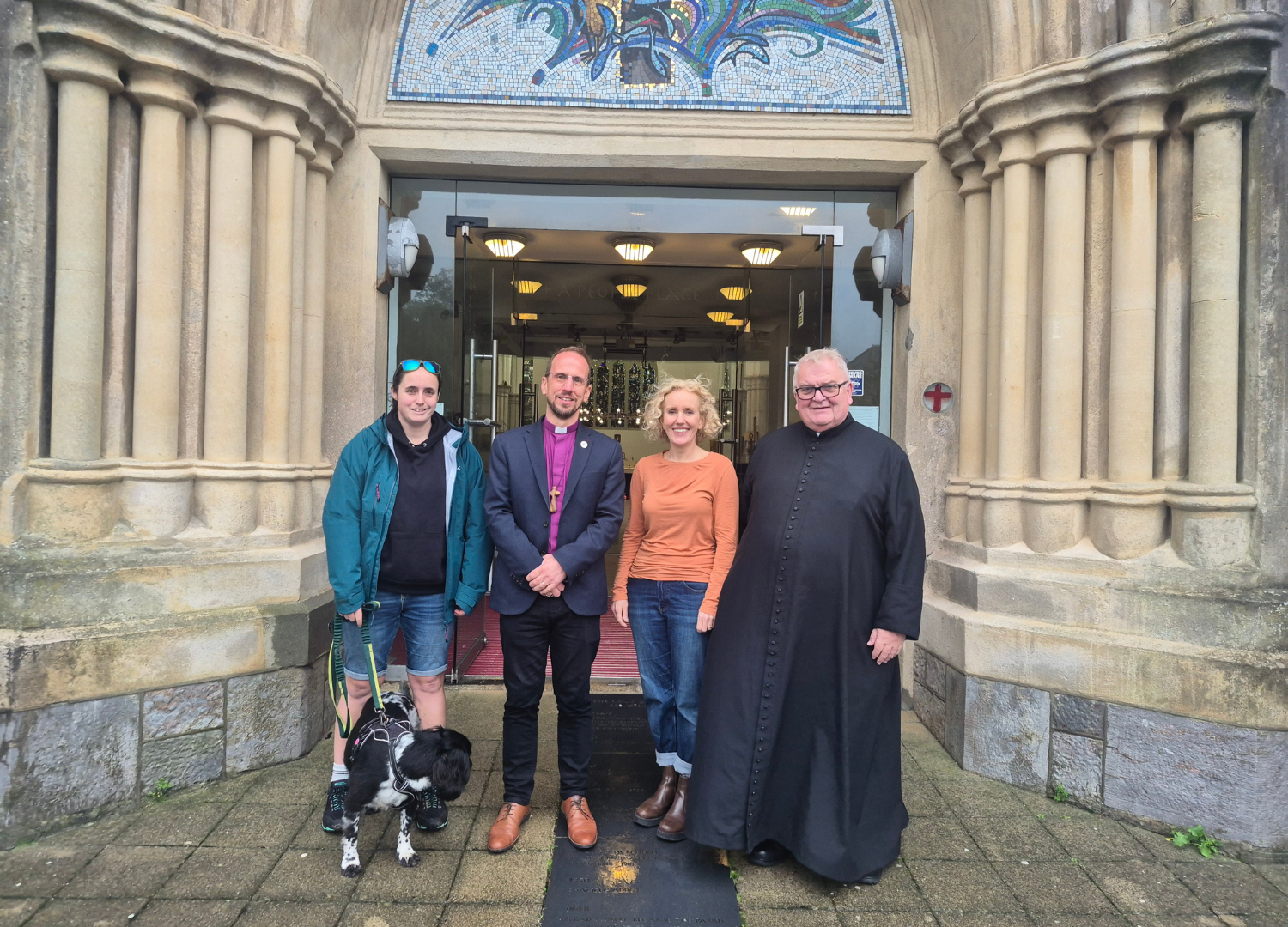
Project 58:7 Partners
Path and the Christian charity Transforming Plymouth Together (TPT) have come together to launch Project 58:7, a new winter shelter initiative
Built on compassion and practical support, the project will transform a network of churches into safe, trauma-informed shelters offering warmth, dignity and support for people sleeping rough across Plymouth during the coldest months of the year. The initiative is funded by The Rank Foundation.
Plymouth is facing a severe and worsening housing crisis. Affordable accommodation is rapidly disappearing, rents continue to rise, and homelessness is becoming dangerously normalised. Over the last 4 years there’s been a 90% increase in households in temporary accommodation including a 21% rise in families with children.1
The number of people experiencing rough sleeping is rising, with the count of those sleeping out on any given night having doubled since 2023. Many of those affected face multiple disadvantages, requiring complex layers of support, care, and health provision.
The number of people being pushed into homelessness continues to rise, with women facing especially acute risks. Many remain hidden—often sofa-surfing or staying in unsafe temporary situations—because of safety concerns, fear of violence, and the lack of suitable, women‑specific support. Whether visible or unseen, the reality of homelessness brings nights marked by extreme cold, ill health, fear, exhaustion, and isolation.
From December through March, centrally located churches will host the shelter on a rotating basis. Each evening, guests will be welcomed through established referral pathways, including the Plymouth Soup Run.
On arrival, they will be greeted by trained volunteers, coordinated by TPT, who offer a warm, respectful and reassuring presence. Alongside them, experienced Path support workers will manage safeguarding, trauma-informed care, and any urgent or complex needs.
Once referred guests will be welcomed with hot drinks, light refreshments, and clean bedding before being offered a calm, safe space to rest. In the morning, Path’s Outreach team will provide specialist support—helping individuals access healthcare, wellbeing hubs, mental health services, and housing advice—so that each person can begin taking meaningful steps away from homelessness
Victoria Allen, Path CEO, said:
“We see every day the fear, exhaustion and worsening health that comes from trying to survive on the streets. Project 58:7 is a compassionate and practical response, giving people not only a safe night’s sleep but the chance to stabilise, feel valued, and begin moving forward.”
Laura Fraser-Crewes, CEO of Transforming Plymouth Together added: “The project name was inspired by the call of Isaiah 58:7: “to give the poor wanderer shelter.
“Churches across the city want to help, but opening their buildings overnight can feel daunting or risky. Project 58:7 provides the training, structure and professional support they need to do this safely and confidently. This partnership is faith in action, meeting real human need with care, dignity and collaboration.”
Endorsed by Plymouth City Council, Councillor Chris Penberthy, Cabinet Member for Housing, Communities and Cooperative Development, said: “I would like to thank everyone involved in Project 58:7.
“This is another demonstration of the compassion of the people of Plymouth for those who need our help the most.
“With Path’s three decades of frontline experience, combined with TPT’s deep community connections and ability to mobilise churches across Plymouth, the partnership is uniquely placed to deliver a citywide network of safe winter shelters.
“It is great to see this addition to the established partnership working in the Plymouth to support people facing homelessness.”
Together Path and TPT aim to offer not only protection from the cold but genuine pathways to improved health, stability and long-term change.